Advancing Green Agriculture 2025 Recap (Part 3)
8am Saturday morning, and it was icy, at a brisk four degrees, but not a cloud in the sky over Melbourne. It was an early start but the field trip down the Mornington Peninsula was shaping up to be a beautiful adventure.
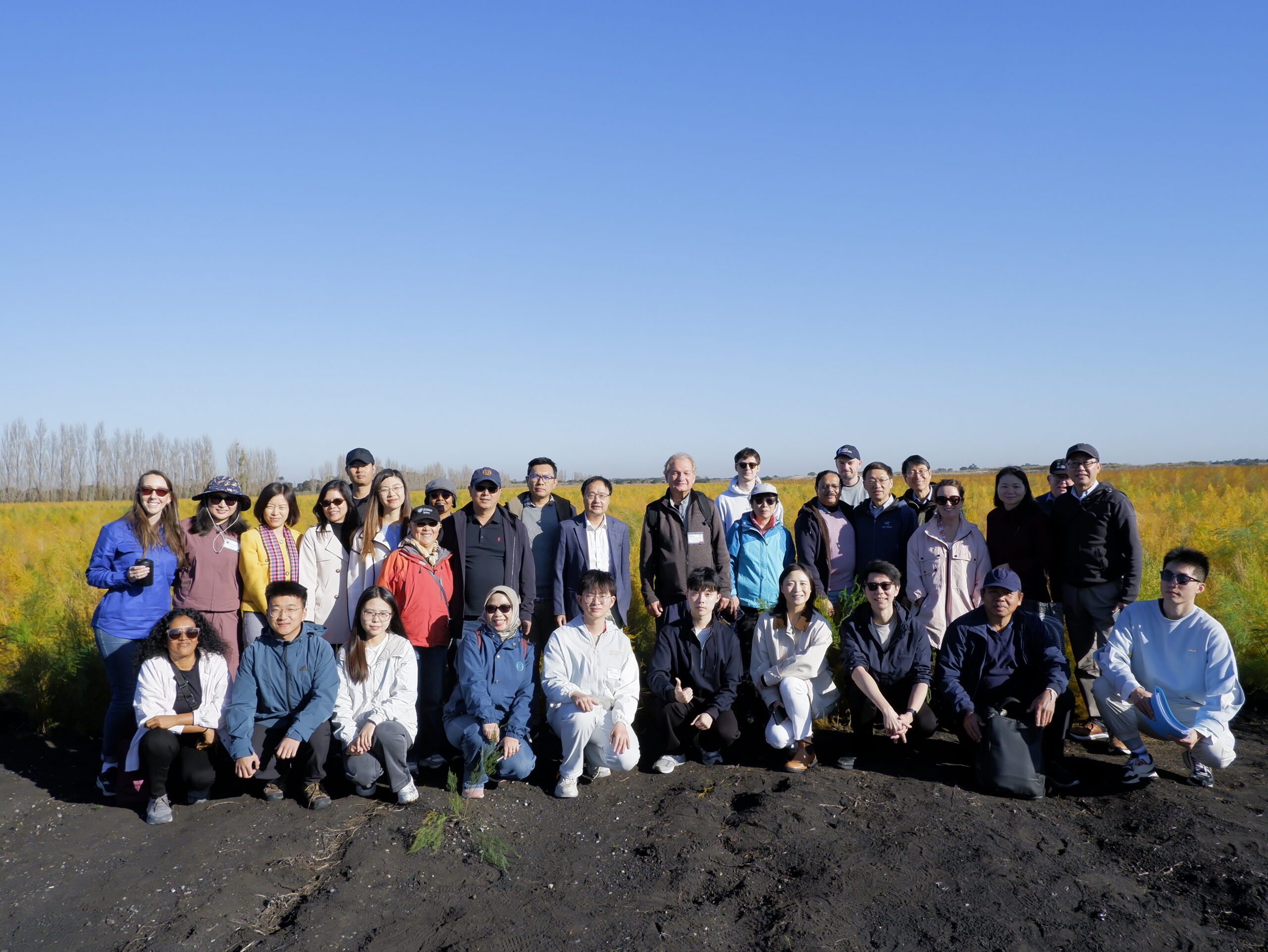
After such a jam-packed day at the symposium, of interesting initiatives to improve the world’s use of agricultural lands, the field trip was intended to discover a little bit of Victoria and Australia and unwind. We planned to look at the soil profiles of some diverse landscapes, taking some time to get to know one another’s interests and enjoying some of the local food and drinks on offer. Fifty of the Symposium’s guests as well as a few of our University of Melbourne PhD students joined the bus at the hotel in Docklands with their hat, sunscreen, rain jacket, good walking shoes, warm clothes, entire wardrobe of options and because you never know what the weather will do in Melbourne, and some crossed fingers in hope of sunshine.
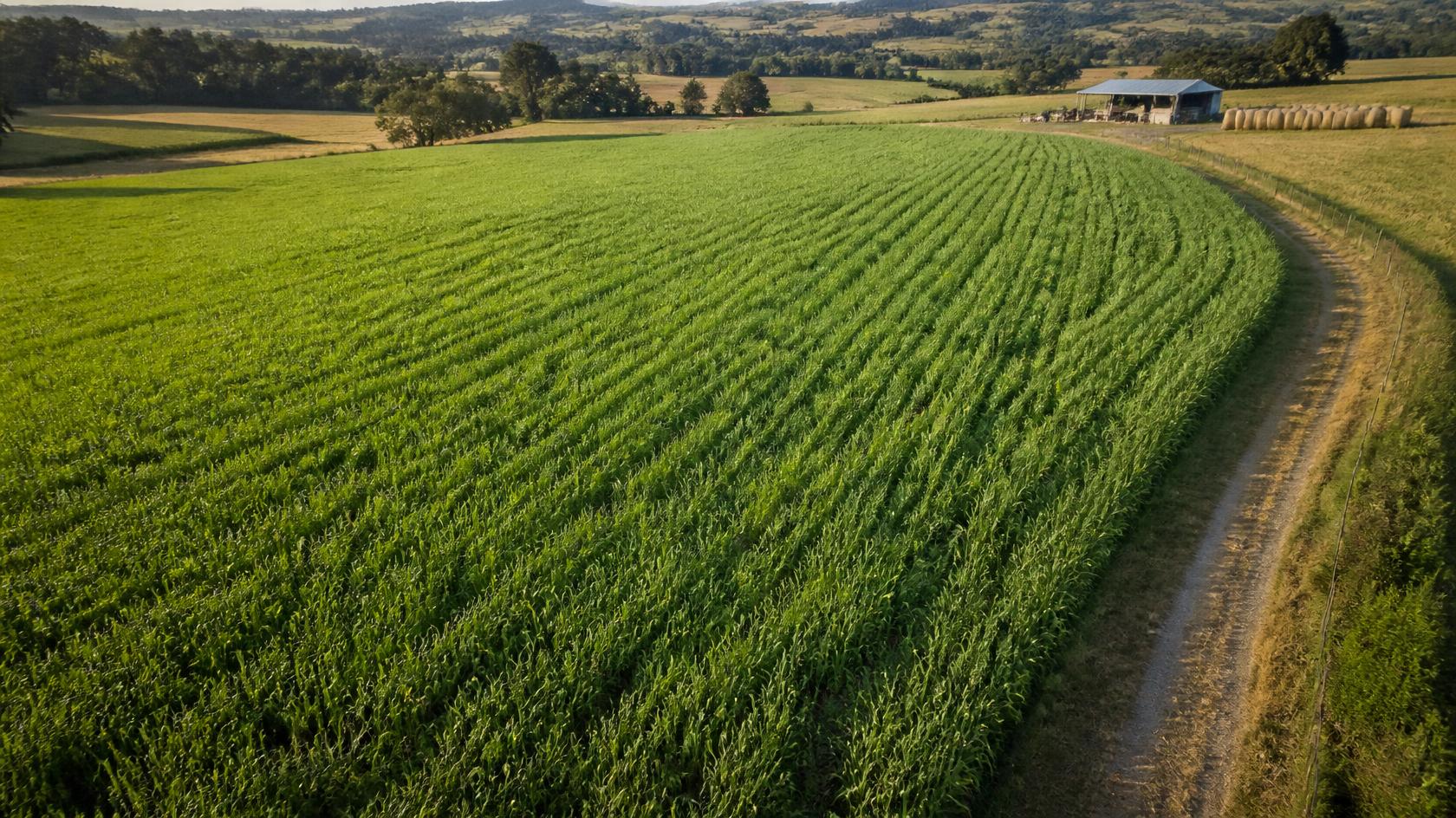
South Eastern Victoria has some of the richest Agricultural soils in the country. Everyone who visits, falls in love with the food and the wine and the landscapes. Therefore, to pair perfectly with the soil, the master of pedology, geomorphology, land mapping and land capability joined the field trip. David Rees is the most knowledgeable scientist of the area and has an obvious passion for sharing his knowledge. David is a research scientist who works for the Victorian state government and has a lifetime of experience in soil, soil classification and lanscapes.
Dr. Clayton Butterly, Dr Alexis Pang and Dr Brendon Costello from the University of Melbourne were hosting the day with their unparalleled educational soil knowledge and friendly demeanours.
First stop was the asparagus farms in Dalmore that stretch as far as the eye can see. They have a rich peaty black vertosol grown on a reclaimed swamp land and the out-of-season autumn asparagus was waving lightly in the wind. Growing in this soil, allows the asparagus to erupt through the soil with ease as the peat ensures there is good drainage and the soil is looser than clay or hard soil, but is not sandy. The asparagus here is considered some of the best in the world, for the nutritional and structural attributes.
Continuing down to the Tooradin Boat ramp to have a look at the mangroves and where the rich agricultural soils continue out into the estuaries and ocean. We could talk about the soil here, but the real showstopper were the four large pelicans that were flying overhead before taking their seat to listen to Dr Alexis Pang alongside the Advancing Green Agriculture guests. A quick coffee and snack break before meandering through the rolling hills of Red Hill to see how the landscape accommodates a variety of soils and agricultural gems, such as the multitude of award-winning wineries.
St Andrews Brewery for lunch and to taste some local brews, broke up the day before a special part of the trip and one that many would say was the highlight. We trekked down to Highfield National Park, Mornington Peninsula, to see some kangaroos in the wild and they did not disappoint. Some of us were worried we might just be staring at bush for half an hour, until the well camouflaged, big roos loped across the hill side showcasing their size and power as well as their social nature with each other. David Rees was on hand to point out where the different soil landscapes met and it made the whole moment one that was hard to forget.
Continuing to arguably one of the most stunning views in Victoria, the group ventured to the Cape Schanck Light House. Cape Schanck, being one of Professor Deli Chen’s most loved places to unwind and see the ocean laid out across a sharp cliff edge. We didn’t get any golf in (sorry Deli) but we did get to witness some people on our trip, seeing the ocean for the very first time. Personally, as an organiser, that made the whole symposium worth all the late nights and possible grey hairs to have these intelligent and ambitious scholars stop and take in the scenery for the first time.
To wrap up the trip and the Symposium, Prof. Deli Chen contacted the warm and delightful hosts at Hurley Vineyard. Tricia Byrnes and Kevin Bell are clearly Pinot Noir connoisseurs and have lovingly planted vines since 1998. The three single vineyards wee explained with deep understanding to create a rich image of the tasted wines’ texture and aromatics. The vines are sheltered from the notorious winds that the Peninsula can unleash and are each at different aspects of sun exposure. These cool climate and individual terroir vintages capped off a brilliant Symposium and hopefully gave those who attended some indelible memories and sparks of future collaborations and research opportunities.
Stay up to date with upcoming events through our mailing list and Hub socials!