Significance of the Haber-Bosch Process
In 1908, Fritz Haber filed his patent for the “synthesis of ammonia from its elements”, a discovery that would fundamentally transform global agriculture and earn him the 1918 Nobel Prize in Chemistry. Scaled up by chemical engineer Carl Bosch, the Haber-Bosch process enabled humanity to convert abundant atmospheric nitrogen into reactive nitrogen compounds that plants could utilise.
This breakthrough is widely considered one of the most important inventions of the 20th century.
Before the Haber-Bosch process, agriculture relied on limited natural sources of nitrogen, such as crop rotation practices with legumes, and animal manure including Guano: bat and seabird excrement.
As global populations grew in the late 19th century, scientists warned that these natural sources would be insufficient to feed the world, and widespread famine seemed inevitable.
The Haber-Bosch process changed this trajectory dramatically. By enabling large-scale production of synthetic nitrogen fertilisers, it sparked the Green Revolution of the mid-20th century.
Crop yields increased substantially. For instance, corn production in the US rose from less than 1,500 kg per hectare in the 1930s to over 10,000 kg per hectare today. Studies estimate that the Haber-Bosch process is responsible for feeding approximately half the world’s population, with nearly 48% of people globally depending on crops grown with synthetic nitrogen fertilisers.
However, this remarkable advancement did not come without significant environmental impacts. Studies have shown that crops use only 50% of applied nitrogen, while the rest is lost through volatilisation, surface runoff, leaching, and denitrification. Nitrate leaching from agriculture can comprise of more than 10% of total nitrogen fertiliser input, leading to ground and surface water contamination that adversely impacts human health and downstream ecosystems. Additionally, the fertiliser supply chain accounts for approximately 2.1% of global greenhouse gas (GHG) emissions as of 2018.
With the world needing to increase food production by 60% by 2050 to feed the projected 9.3 billion people, we face a critical challenge: how do we maintain the food security benefits of the Haber-Bosch process while reducing its environmental footprint?
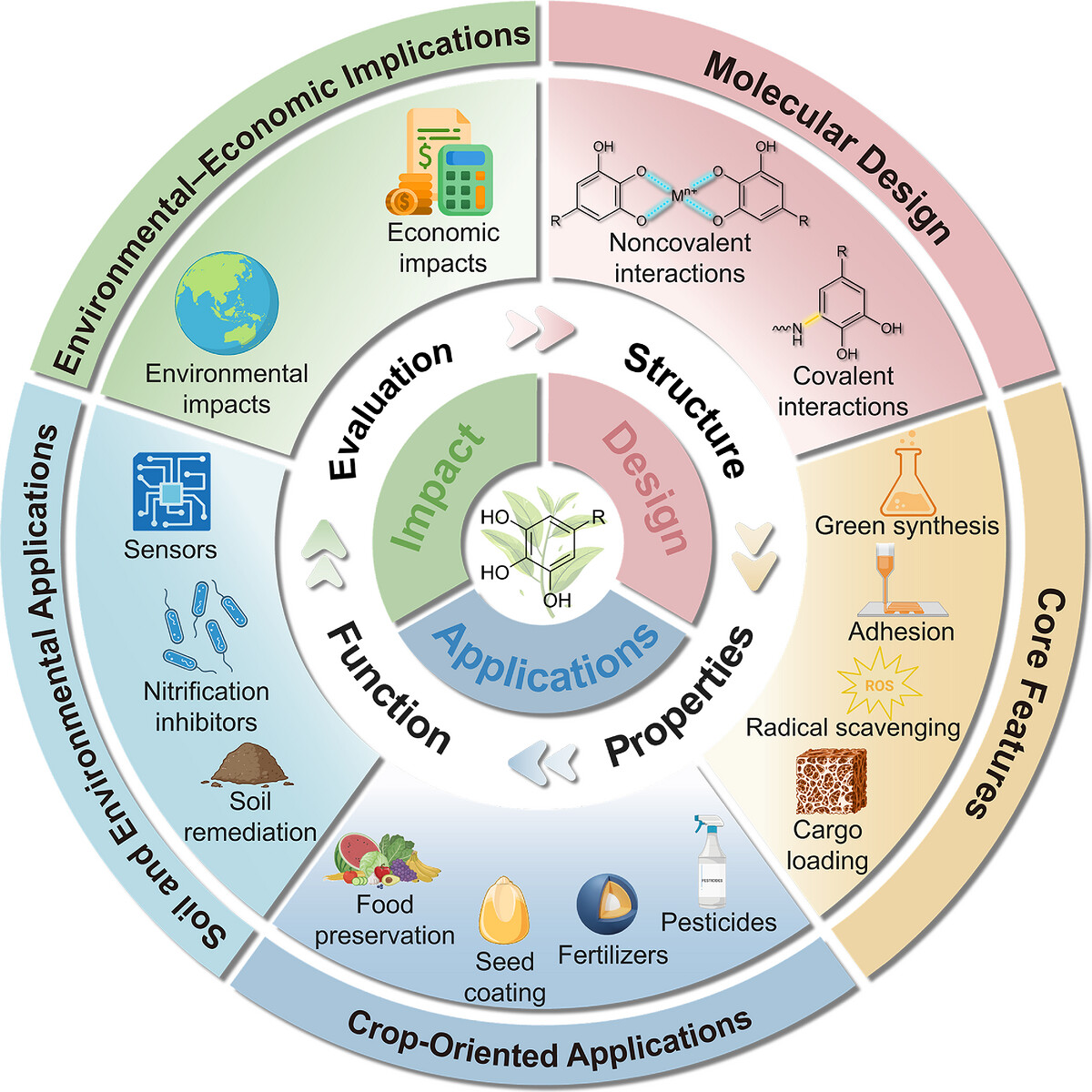
At the ARC Research Hub for Smart Fertilisers, our research addresses this challenge by developing smart fertiliser systems that optimise nutrient delivery, aimed at releasing nitrogen precisely when and where plants need it. By improving nitrogen use efficiency and minimising losses through leaching and volatilisation — with new engineered fertiliser coatings and urease and nitrification inhibitors — we aim to build on the achievements of the Haber-Bosch Process and future-proof fertilisers for a more sustainable and food secure future.
Learn more about our smart fertiliser research at smartfertiliserhub.org.au